
Quick Answer
To boil an egg: soft boiled = 6 minutes, medium (jammy) = 8 minutes, hard boiled = 10 minutes. Start timing from when eggs enter already-boiling water. Transfer immediately to an ice bath when done.
Founder & Editor-in-Chief
Boil eggs perfectly every time. Soft boiled: 6 min, medium: 8 min, hard boiled: 10 min. Full guide with tips for easy peeling and altitude adjustments.
In This Article
How Long to Boil an Egg — Quick Reference
The perfect boiled egg depends on one variable: time. Whether you want a runny yolk for dipping toast soldiers or a firm center for egg salad, hitting the right minute mark is everything.
Here's the definitive timing guide, starting from the moment you lower eggs into already-boiling water:
| Doneness | Time | Yolk | Best For |
|---|---|---|---|
| Soft Boiled | 6 minutes | Runny, liquid center | Toast soldiers, ramen, soft egg cups |
| Medium (Jammy) | 8 minutes | Jammy, slightly soft center | Salads, grain bowls, avocado toast |
| Hard Boiled | 10 minutes | Fully set, no green ring | Egg salad, deviled eggs, snacking |
| Extra Hard | 12 minutes | Firm, dry center | Stuffed eggs, long storage |
The Step-by-Step Method
- Boil the water first. Fill a pot with enough water to cover the eggs by at least 2 cm. Bring to a rolling boil over high heat.
- Lower eggs gently. Use a slotted spoon or spider to lower eggs into the boiling water. This prevents cracking from the temperature shock.
- Set your timer immediately. The moment the eggs go in, start your timer. Maintain a gentle boil (not vigorous — that causes bouncing and cracking).
- Prepare an ice bath. While eggs cook, fill a large bowl with ice and cold water.
- Transfer to ice bath. When the timer goes off, immediately move eggs to the ice bath. Let them sit for at least 5 minutes. This stops the cooking and makes peeling much easier.
- Peel under running water. Gently tap the egg on a hard surface, roll to crack the shell all over, then peel starting from the wider end (where the air pocket is). Running cold water under the shell helps separate it from the white.
Adjustments for Egg Size
The times above are for large eggs (60-65g) straight from the refrigerator. Adjust as follows:
- Medium eggs (50-55g): Subtract 1 minute from each timing
- Extra-large eggs (65-70g): Add 1 minute
- Room temperature eggs: Subtract 1 minute (they need less time since they start warmer)
Altitude Adjustments
Water boils at lower temperatures at high altitude, so eggs take longer to cook:
- Sea level to 600m (2,000 ft): Use standard times
- 600-1,500m (2,000-5,000 ft): Add 1-2 minutes
- Above 1,500m (5,000 ft): Add 3-4 minutes
Why the Ice Bath Matters
Skipping the ice bath is the most common mistake. Without it:
- The egg continues cooking from residual heat (carryover cooking), pushing your soft boiled egg into medium territory
- The sulfur in the yolk reacts with iron in the white, creating that unappetizing green-gray ring around the yolk
- The membrane between the shell and white bonds more tightly, making peeling a frustrating mess
How to Tell if a Boiled Egg Is Done (Without Cutting It)
Spin the egg on a flat surface. A hard boiled egg spins smoothly and quickly. A soft boiled egg wobbles and spins slowly because the liquid yolk shifts the center of gravity. This is the most reliable test without breaking the egg open.
Storage
- Hard boiled, in shell: Up to 7 days in the refrigerator
- Hard boiled, peeled: Up to 5 days in the refrigerator in a covered container
- Soft boiled: Best eaten immediately. Can be stored in shell for up to 2 days, but the yolk will continue to firm up slightly
Recipes from This Article
Try these hand-picked recipes we recommend in this article.
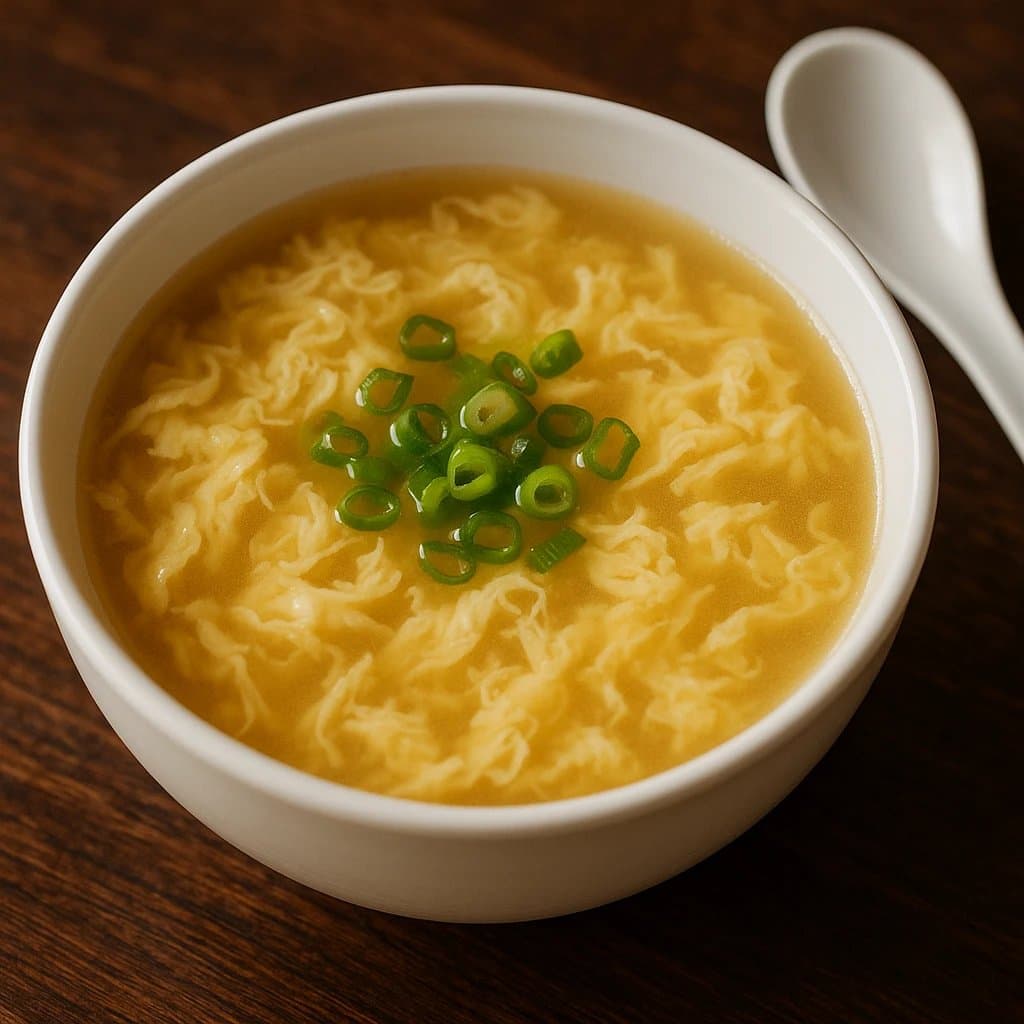
Egg Drop Soup Recipe (蛋花湯) – Classic Chinese Egg Flower Soup
Get the Recipe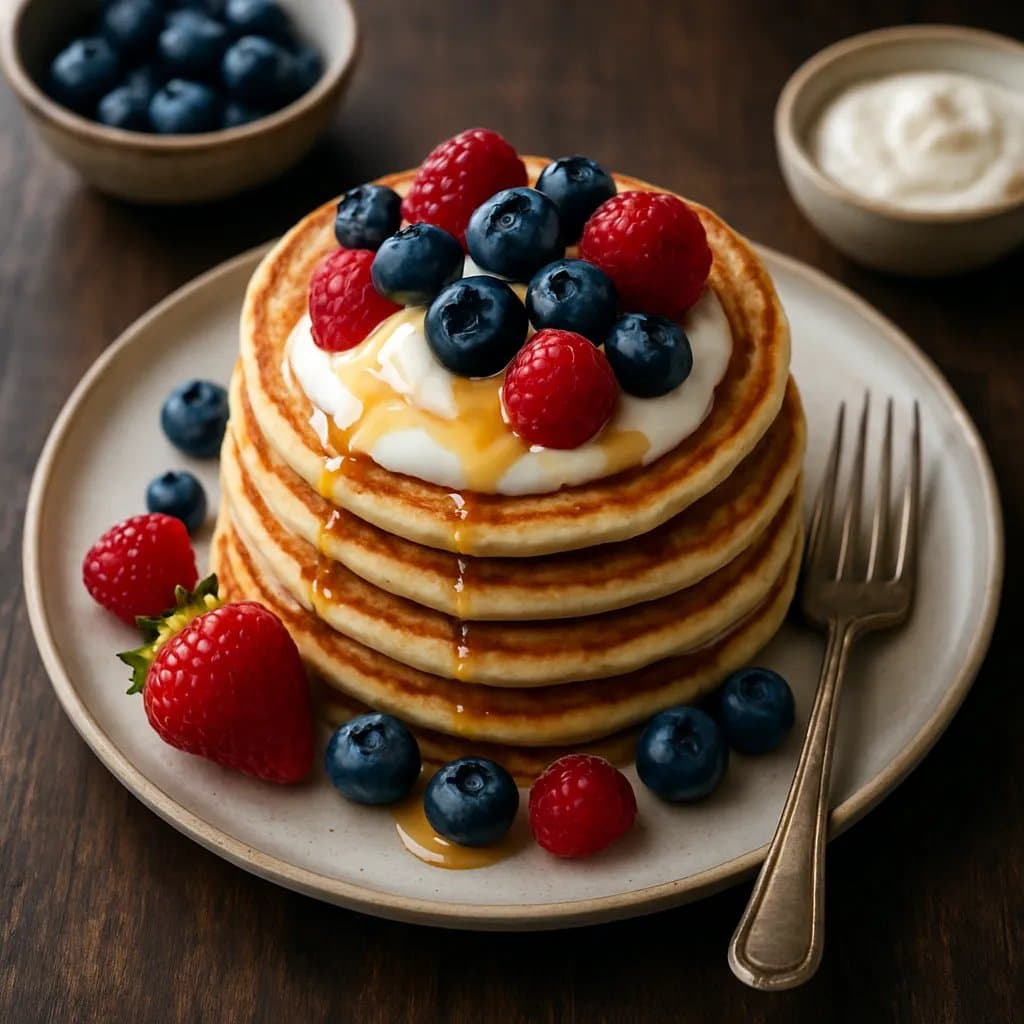
High-Protein Pancake Recipe – 30g Protein Per Serving
Get the Recipe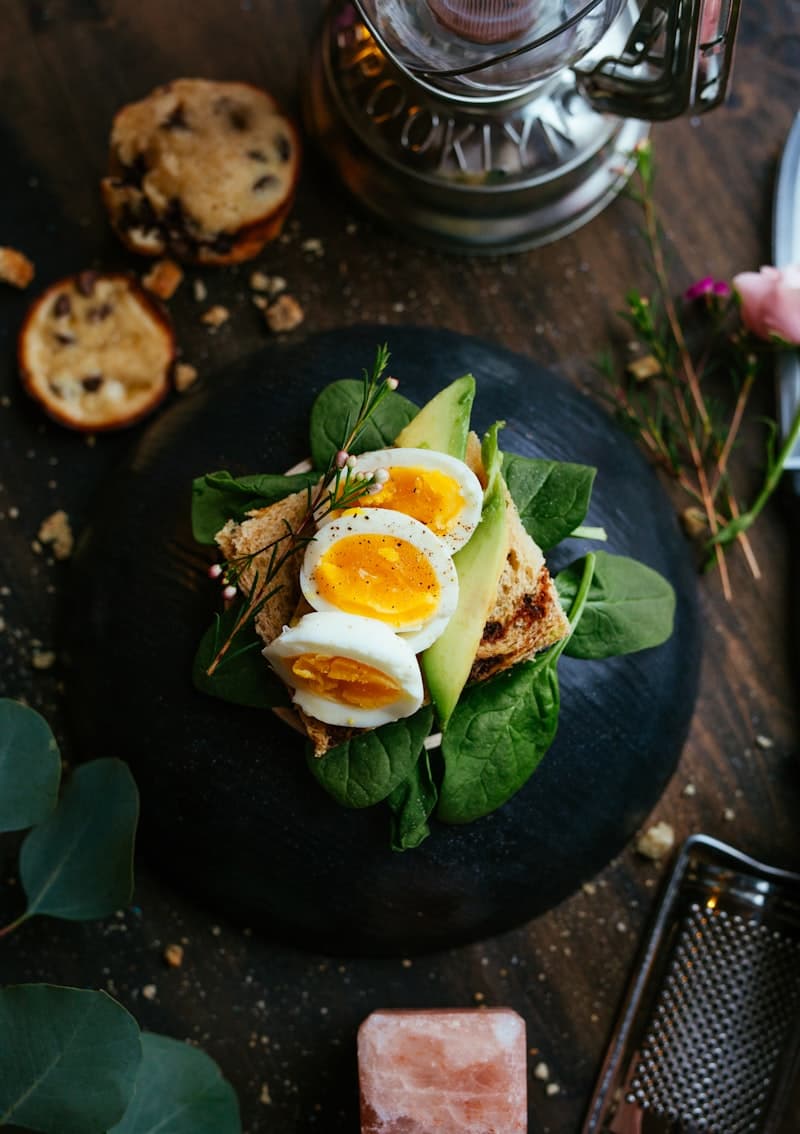
Perfect Boiled Eggs — Soft, Medium & Hard (Exact Times)
Get the Recipe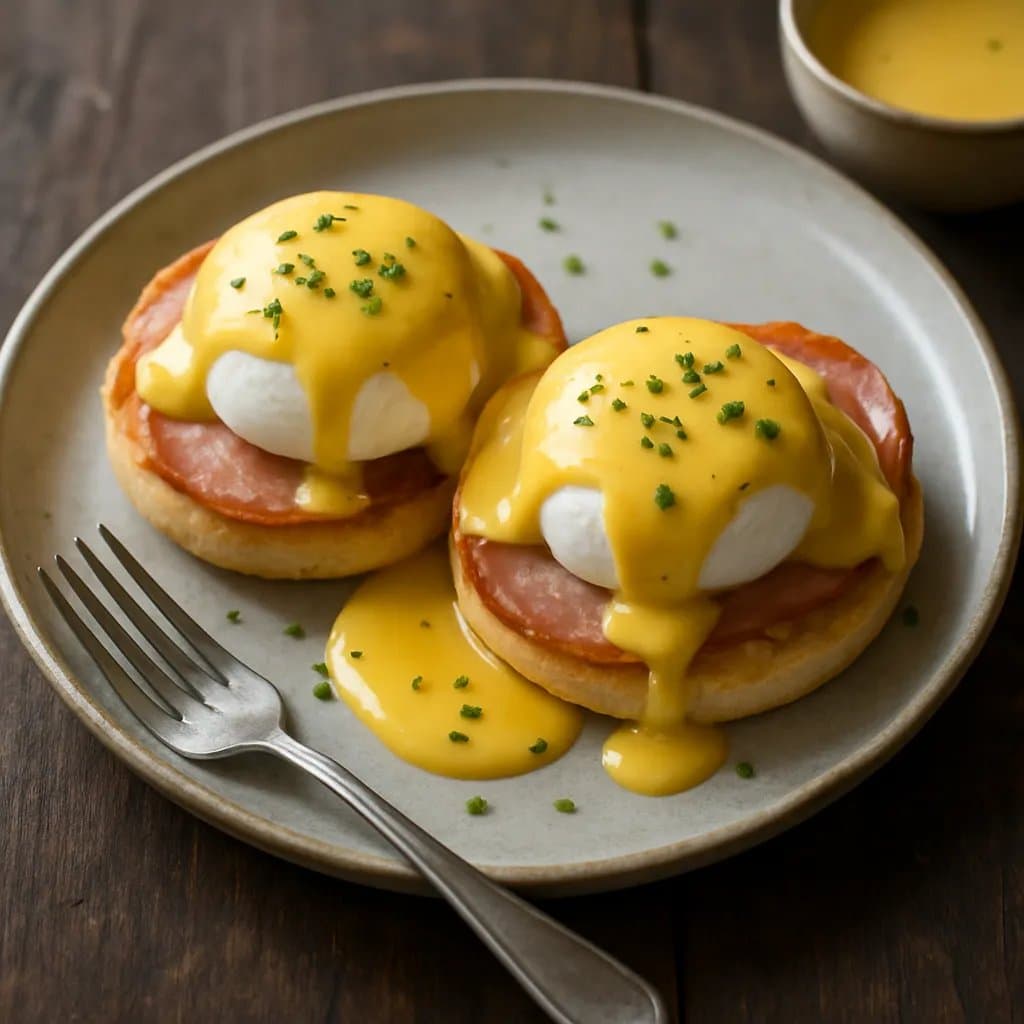
Classic Eggs Benedict
Get the Recipe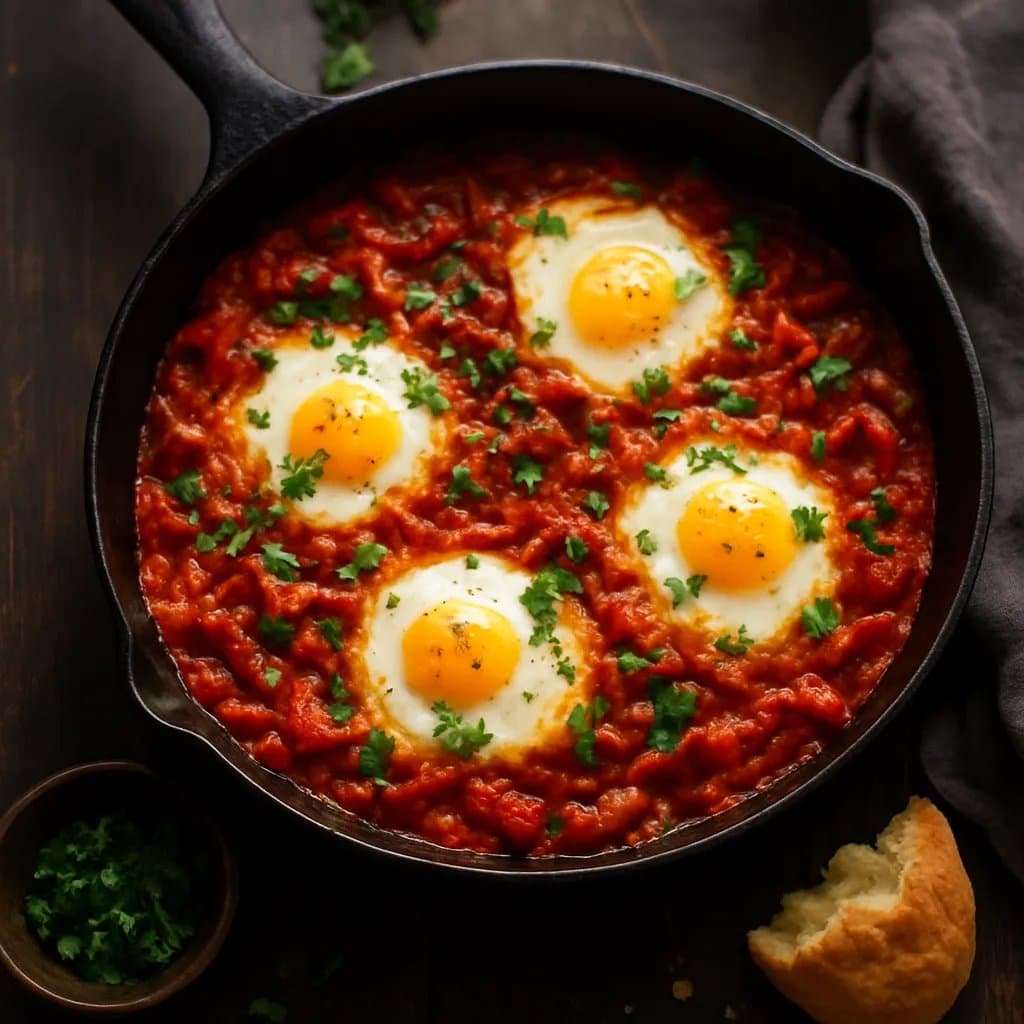
Spicy Shakshuka
Get the RecipeSave This for Later!
Pin this article to Pinterest so you can find it whenever you need it.
Save to PinterestFrequently Asked Questions
How long to boil an egg?
Soft boiled: 6 minutes. Medium (jammy): 8 minutes. Hard boiled: 10 minutes. Times are for large eggs from the refrigerator, placed into already-boiling water.
How do I know when a boiled egg is done?
Spin the egg on a flat surface. A hard boiled egg spins smoothly and quickly. A soft boiled egg wobbles because the liquid yolk shifts the center of gravity.
Why is my boiled egg hard to peel?
Fresh eggs are harder to peel because the membrane bonds tightly to the white. Use eggs that are at least 7-10 days old, and always use an ice bath after cooking — this contracts the egg away from the shell.
Can I boil eggs from cold water?
Yes — place eggs in cold water, bring to a boil, then turn off heat and cover. Let sit 10-12 minutes for hard boiled. However, the boiling-water method gives more consistent results because the starting point is always the same temperature.
How long do boiled eggs last in the fridge?
Hard boiled eggs in their shell last up to 7 days refrigerated. Peeled hard boiled eggs last up to 5 days in a covered container. Soft boiled eggs should be eaten within 2 days.
Weekly recipes, zero spam.
Get the best recipes and cooking tips delivered to your inbox every week.